
Whether you’re carrying luggage through an airport, camping in the wonder of nature, or struggling to put on a pair of jeans that have suddenly shrunk – you’re going to be using a zipper, also known as a zip. But how was the mechanism that protects everything from our belongings to our modesty created?

We begin with an American engineer named Elias Howe Jr who was most known for creating the lockstitch sewing machine. However, in 1851, he also patented a system called ‘automatic continuous clothing closure’, which was an arrangement of clasps that were connected by a cord. However, Howe Jr did not continue with the manufacturing of his system.

We must go forward 42 years to 1893 when another American engineer named Whitcomb L Judson created a fastening device called the clasp locker which was primarily aimed at fastening boots. Each clasp consisted of two interlocking parts with a hook and eye mechanism (like the eye of a sewing needle) that could be used by hand or with a sliding device. Judson introduced his creation at the World’s Fair in Chicago and with business partners Harry Earle and Colonel Lewis Walker, launched the Universal Fastener Company in 1894. The plan was to develop and manufacture the clasp locker under the name Universal in 1896. However, there were a few issues. The clasps tended to burst open when under strain and their sharp parts weren’t friendly to delicate fabrics. Judson did refine his product and in addition to renaming the company the Automatic Hook and Eye Company in 1904, he also renamed his fastening device the Judson C-curity Fastener. It had limited commercial success. However, this tale was about to take an unexpected turn.
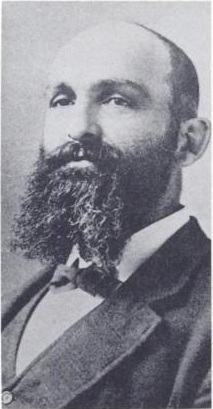

In 1906, Swedish electrical engineer Gideon Sundback was hired by Judson’s company and in 1908, Sundback initially modified the C-curity Fastener by changing the eyes in the locking mechanism and renamed it Plako (possibly derived from the Greek term plax meaning plate or flat surface). However, issues with security persisted. Upon his wife’s death in 1911, Sundback dedicated himself to his work and by 1917 had patented a hookless fastening device called the Separable Fastener.
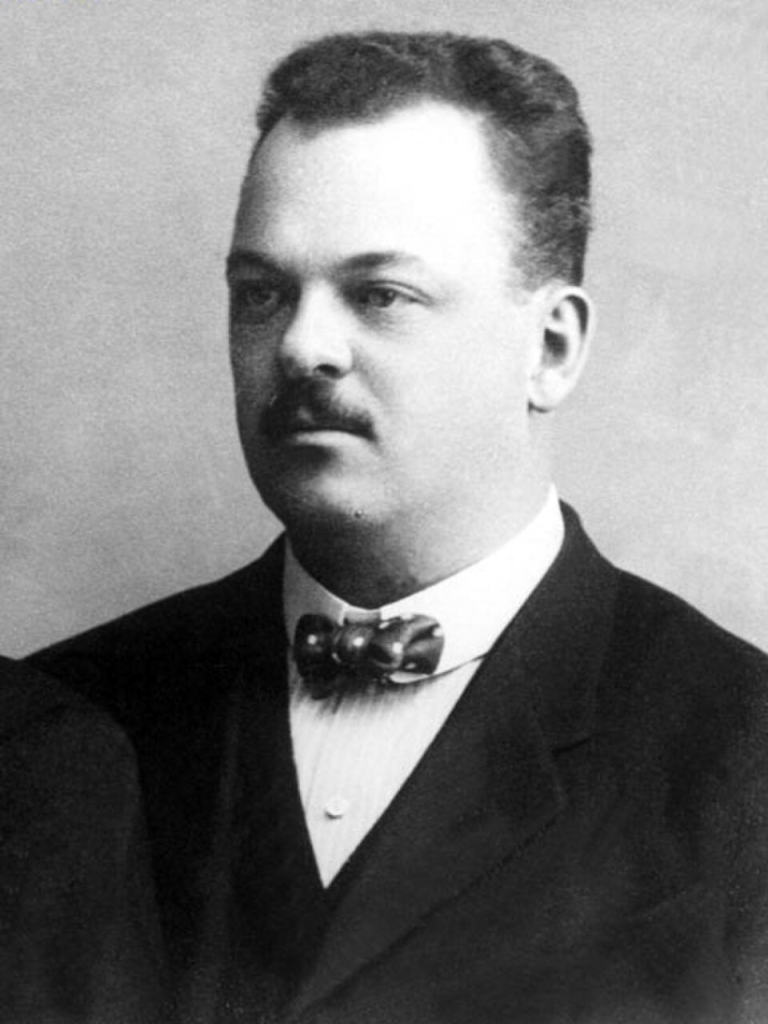
Sundback’s Separable Fastener was the first to have all the features that we know and rely on in the modern zipper. It consisted of two adjacent rows of metallic teeth-like parts, creating a sequence of indents and bumps that allowed for interlocking or separation as the slider moved along. The number of teeth in the final product was greater than the quantity in the development models and the gap within the slider was wider for the teeth to pass through more easily. To show commitment to its now hookless product, the company changed its name again to the Hookless Fastner Company and was headed by Colonel Lewis Walker following Judson’s death in 1909. Walker maintained this position until his death in 1938.
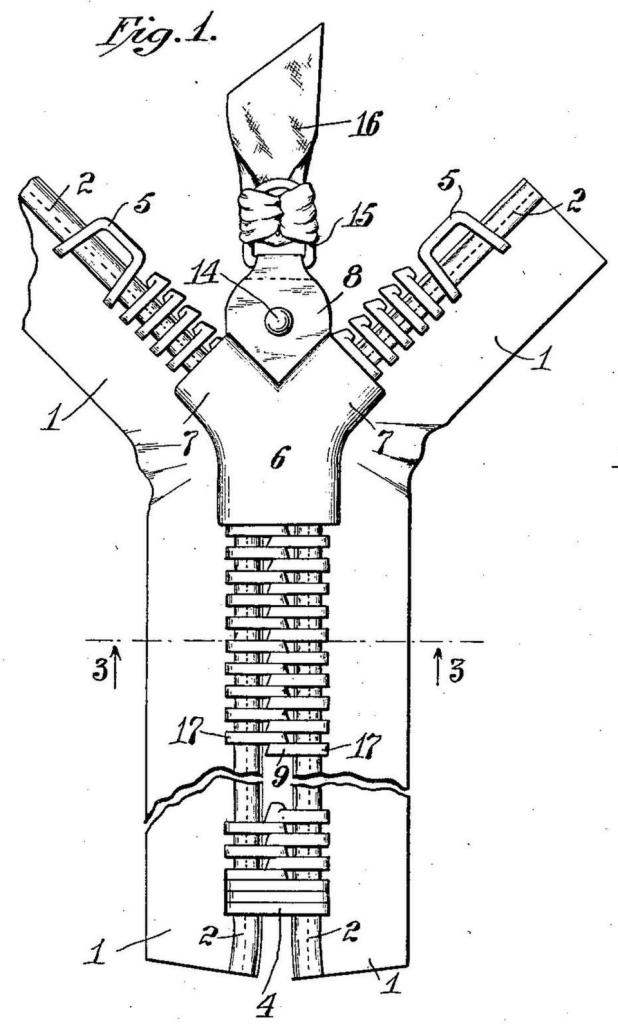
After initially being used for money belts and flying suits for the Navy during the First World War, the Separable Fastener began to be included in various civilian products including corsets, tobacco pouches and driving gloves. However, it wasn’t yet called a zipper.
The term zipper was first used in 1923 when another American company called the B.F Goodrich Company – later renamed the Goodrich Corporation and mainly known for producing tyres and aerospace technology – used the fastener on their rubber boots, known as galoshes. It’s believed that it was the sound the fastener’s slider made as it moved along which inspired the zipper name for the system.
By the end of the 1930s, the zipper started to become more widespread across the fashion industry and as the 20th century progressed, more uses and materials for manufacturing were found by companies globally. Sundback passed away in 1954 leaving behind an incredible legacy in the fields of engineering and fashion.
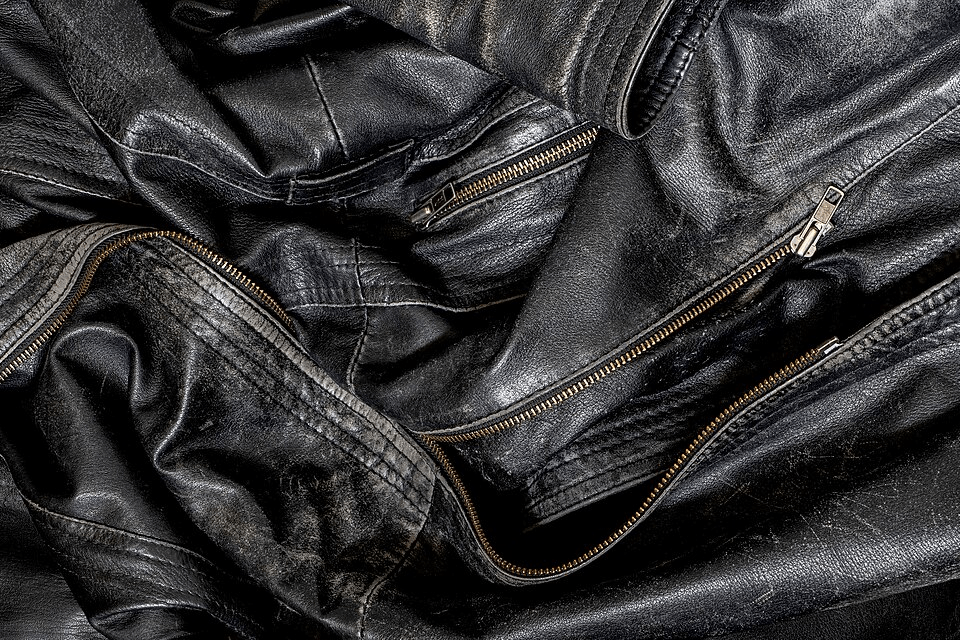
Although small, the zipper has had a mighty impact. But when it comes to fitting into skinny jeans that I haven’t worn for over 10 years…it does have its limits.
 Science and Joe