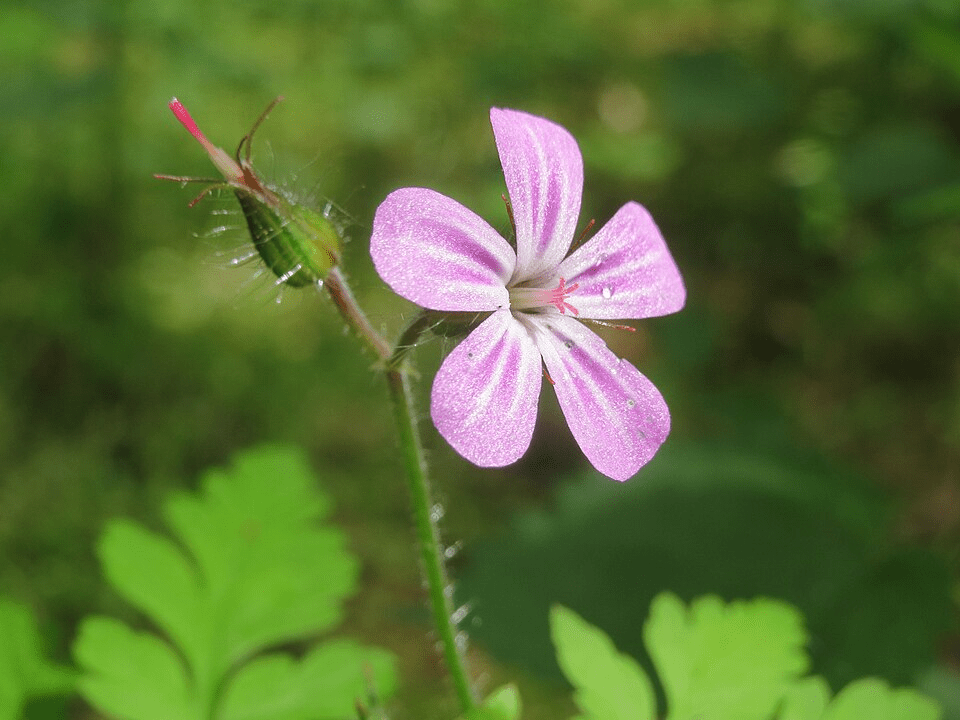
Geranium robertianum, also known as Herb Robert, is a herbaceous annual or biennial wildflower, native and very common in Europe. Part of the Geraniaceae family that evolved approximately 100 million years ago during the Cretaceous period, Herb Robert can be found in a wide variety of habitats, from vast expanses of woodland, moorland and wasteland to more modest sites such as hedgerows and small gaps in garden walls. Growing to between 10 and 50 cm tall with a 10 to 50 cm spread, it’s quite a hardy and versatile example of a eudicot angiosperm, growing and reproducing in areas where others would struggle. However, it does prefer well-drained moist soil. It will likely grow in acidic soils, but not as well compared to a neutral soil.
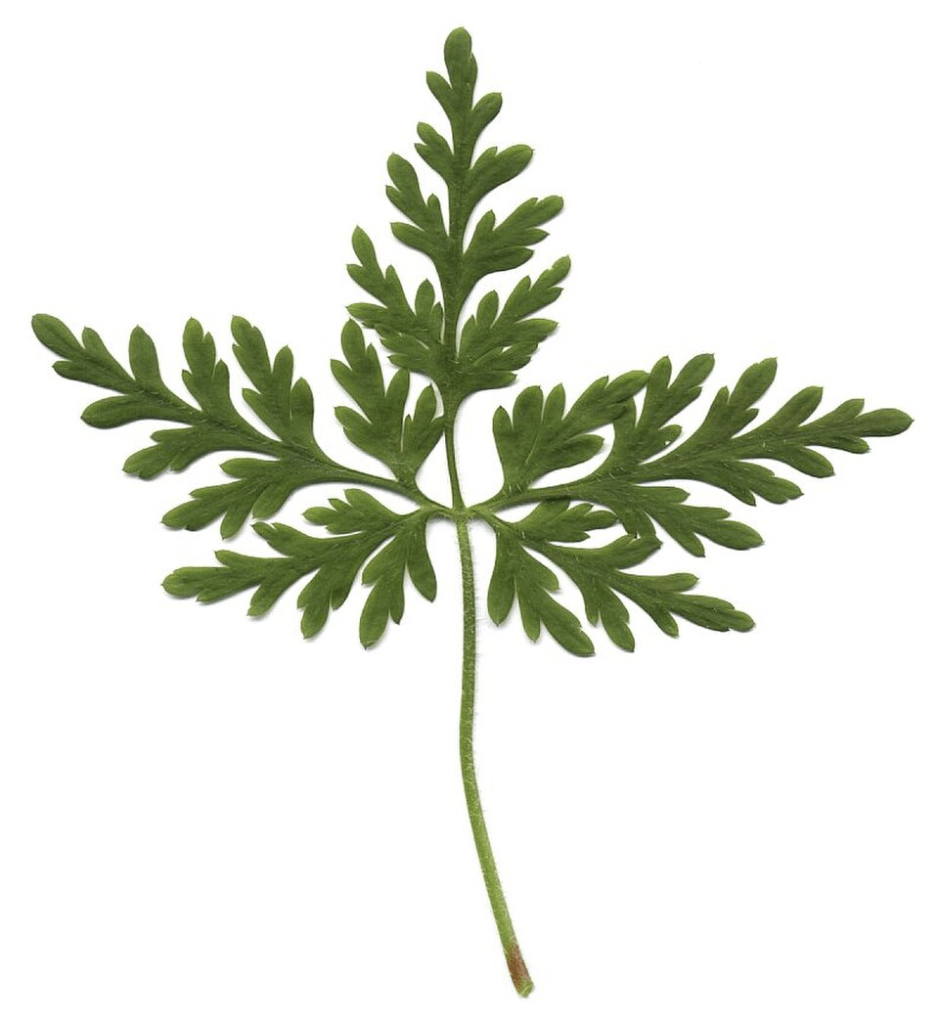
The leaves are usually dark green, each approximately 6 cm long and palmately divided into 3 to 5, usually lobed, leaflets. The leaves are quite aromatic; some people find the smell quite unusual and possibly unpleasant. However, historically they were ground up to produce tea and as an insect repellent on the skin.
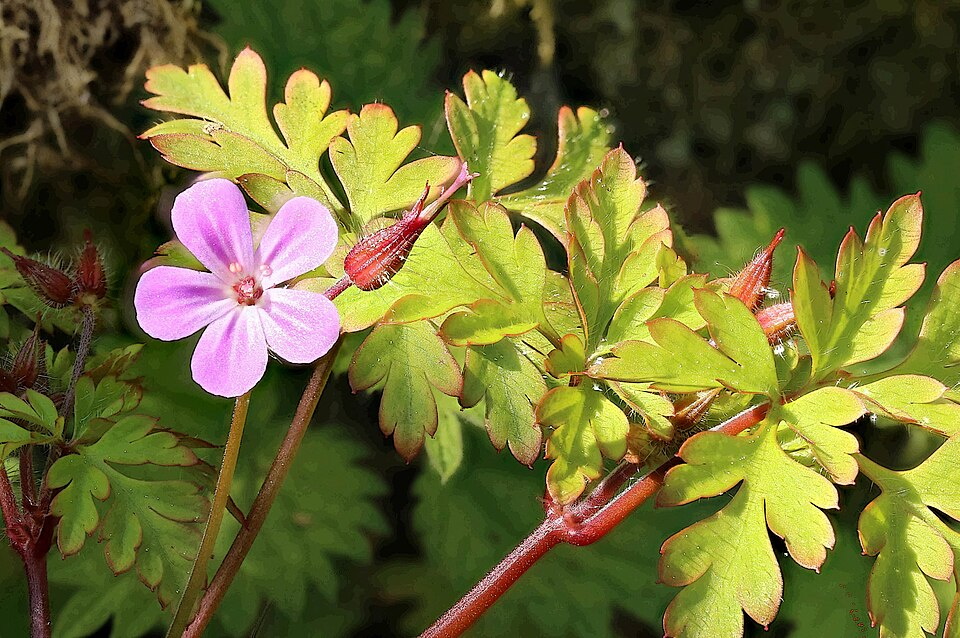
Like the leaves, the stems are usually dark green and sparsely haired, however when exposed to persistent sunlight, particularly in dry conditions like in a scree slope or a stone garden wall, the stems and leaves can change to a flush crimson colour. When they grow in shaded, more moist conditions, in woodland for instance, the stems and leaves tend to retain their dark green colour.
The fruit of Herb Robert also tends to be sparsely haired and is involved in seed dispersal. The dry fruit termed schizocarp divides upon maturity into segments called mericarps and each mericarp contains a seed. The mericarp with the seed is scattered, usually aided by the wind, across quite a large distance, possibly around 5 metres. This could be followed by further dispersal by the activities of invertebrates in or on the soil. The seeds will then likely germinate into more Herb Robert individuals. The species is very good at propagating and may outcompete other small species for space, nutrients and light.
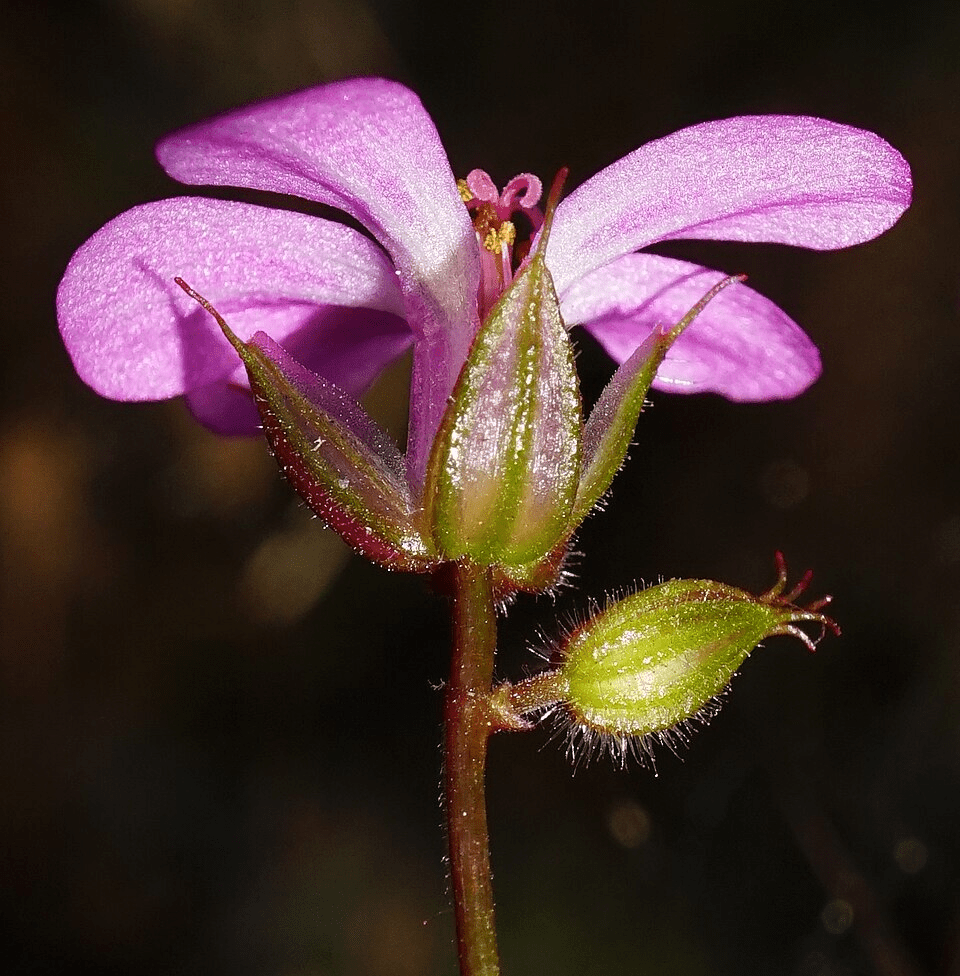
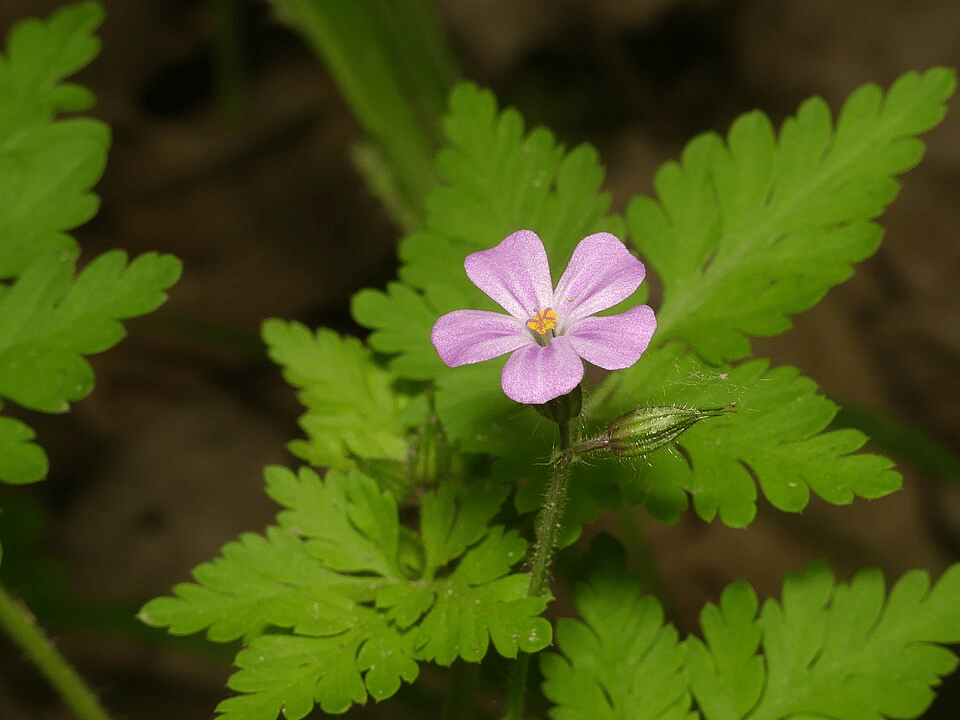
Then we come to the most aesthetically pleasing part of the plant, the corolla. Five petals, each approximately 8 to 14 mm in length, arranged in a star-shaped formation that can be white but are typically a wonderful pink-purple colour. These rounded petals are located inside the sepals, collectively known as the calyx, and the calyx and corolla are collectively the perianth.
Flowering usually occurs between May and September, possibly as early as April, maybe as late as October. In the centre of the petals there is the androecium, which is the male part of the flower’s reproductive system which contains male reproductive organs called stamens. In each stamen there is a stalk-like structure called a filament on top of which there is a sac-like structure called an anther which can be pink or purple in Herb Robert. In each anther you have bright orange pollen grains within very small internal structures called microsporangia. Also, in the middle of the petals you have gynoecium, the female part of the flower’s reproductive system consisting of organs called carpels and in each carpel you have an ovary within which there are ovules.
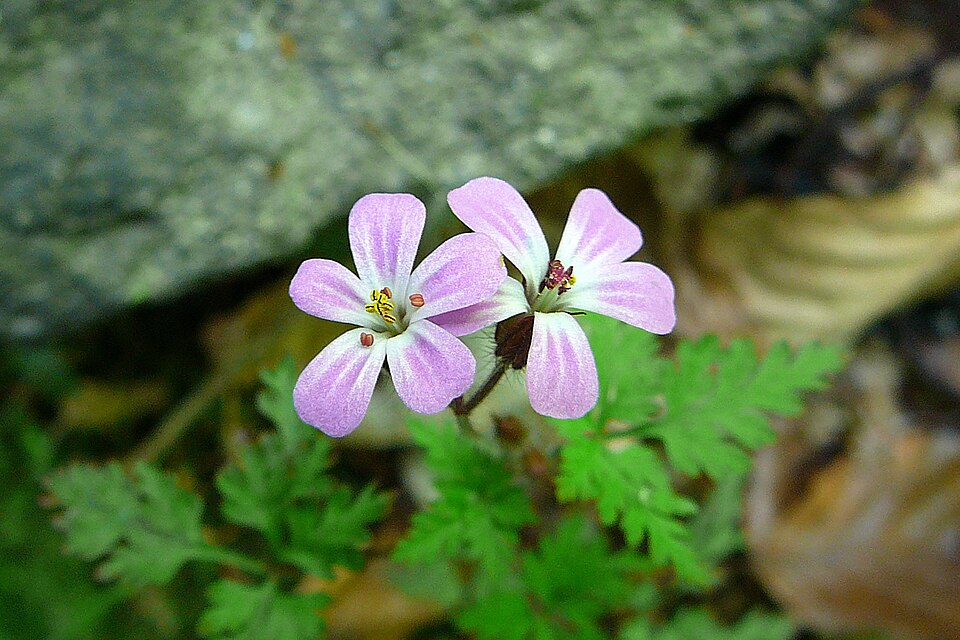
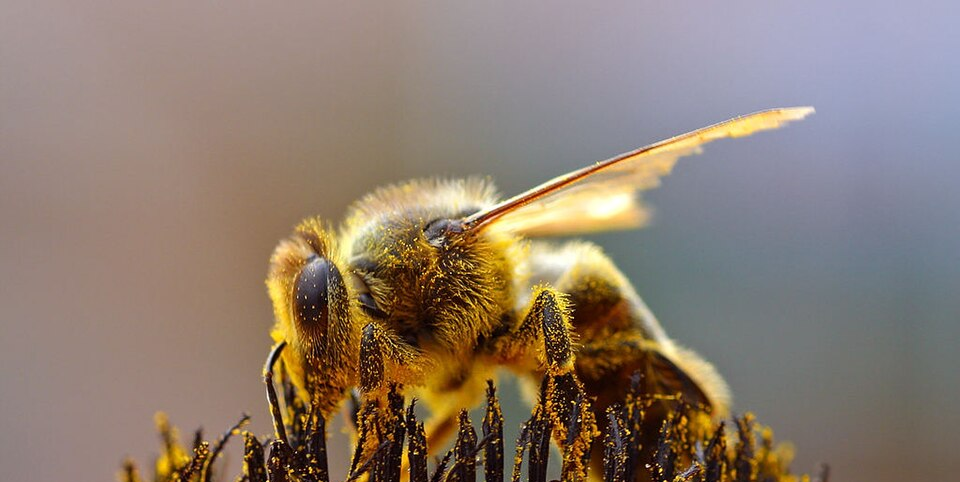
The presence of both carpels and stamens within Herb Robert identifies it as a perfect flower meaning it can undergo self-pollination or self-fertilisation. This involves individual stamens elongating to allow anthers to deposit pollen grains containing sperm cells onto the surface of the stigma, the sticky surface of a carpel. The sperm cells migrate via a pollen tube down a stalk-like structure in a carpel called a style to an ovary and present ovule for fertilisation of an egg cell within an embryo sac, eventually leading to seed production. The pollination process can also occur via wind dispersal or via pollinators such as butterflies and bees, who are attracted by the bright colours of the petals.
Other historical uses for this versatile plant have included antiseptic application, stomach ailment relief and nosebleed treatment. While evidence for certain applications is not exactly strong, research is ongoing looking at the potential anti-inflammatory and antioxidant properties of this modestly sized but very characterful wildflower.
 Science and Joe