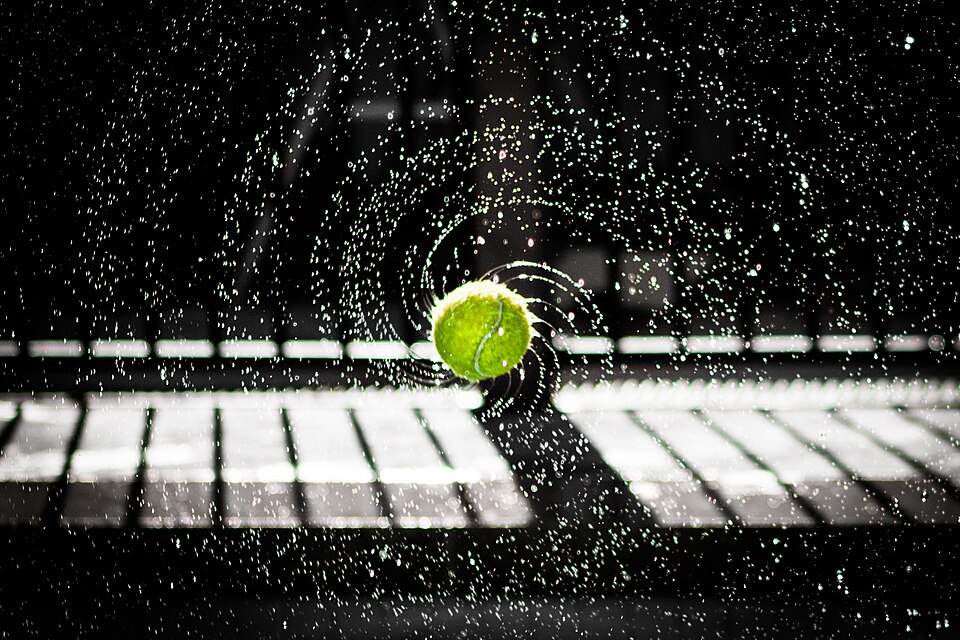
Tennis, a sport of friendly and not so friendly rivalry that requires speed, power and endurance…and a liking of strawberries and cream if you’re heading to Wimbledon. A crucial component of this historic contest is of course the tennis balls themselves.
The history of the tennis ball dates to the 12th century to a game played in France called jeu de paume, in which a ball made of cork was hit over a rope or against a wall by hand. However, we must head forward to the 15th century to find the predecessor of the sport we know today.
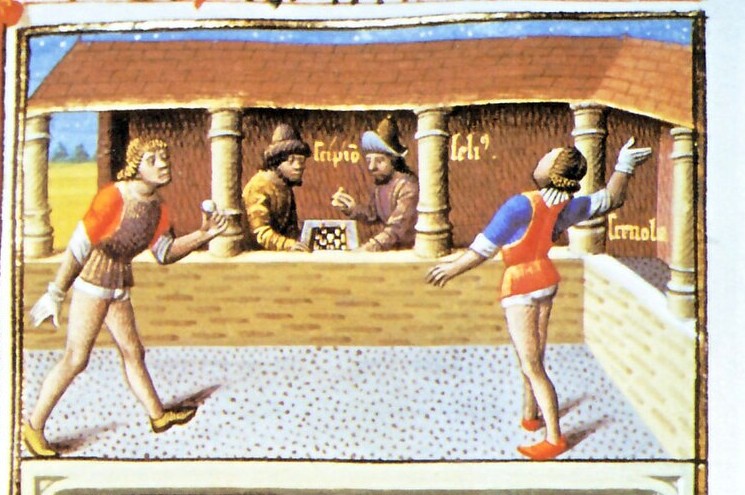
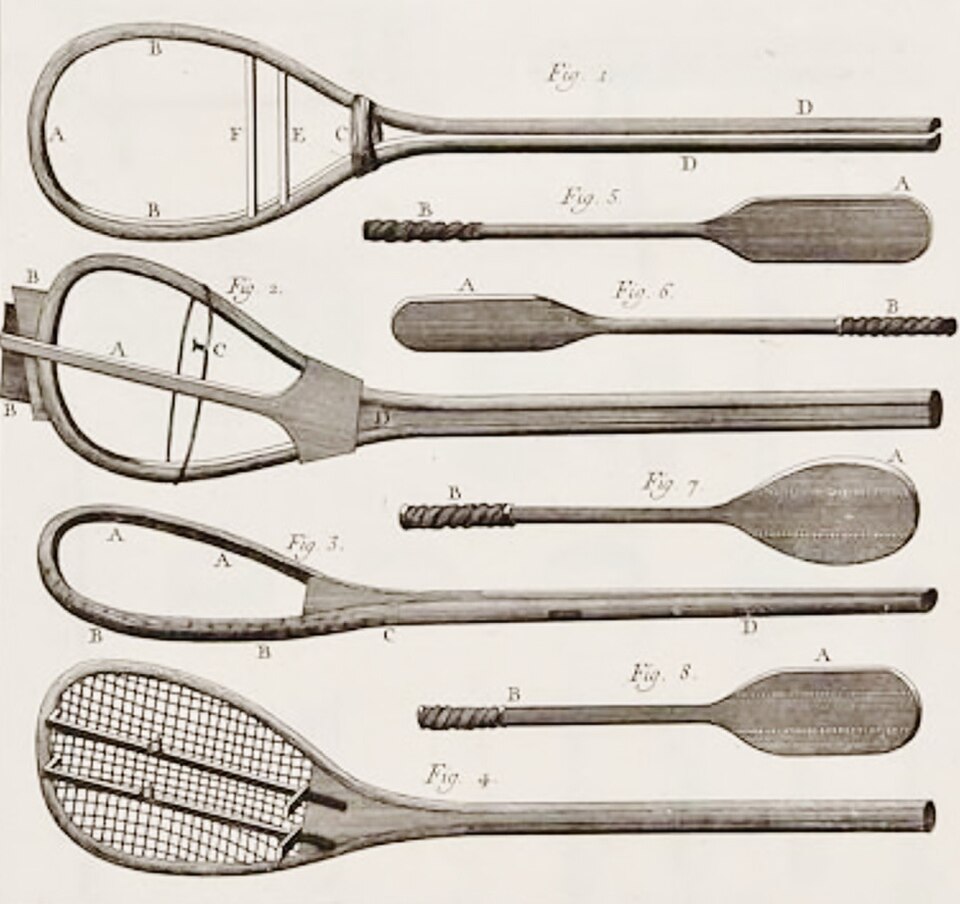
Developed in England and termed ‘real tennis’ or ‘royal tennis’ (Henry VIII was a fan), play involved balls usually made of cork covered with heavy woollen cloth, or leather stuffed with rags, animal hair, or possibly animal intestines. Players still hit the balls with their hands until approximately the 16th century when wooden paddles were developed. The balls weren’t really the most aerodynamic structures, and they lacked the bouncing movement of their successors. There was also the issue of those that contained intestines rotting, smelling quite bad and allowing for pathogen transmission. Not ideal. Thankfully, this wasn’t the end of development.
In 1839, American chemist and engineer Charles Goodyear accidentally discovered the vulcanisation process when he dropped rubber mixed with sulphur on a hot stove, creating a more elastic and durable material. This is due to the formation of cross-links between polymer chains containing molecules such as polyisoprene following exposure to high temperatures, sulphur or sulphurous compounds and, in modern manufacturing processes, high pressure. The resulting rubber structure is more resistant to mechanical stress such as from being hit by a tennis racket.

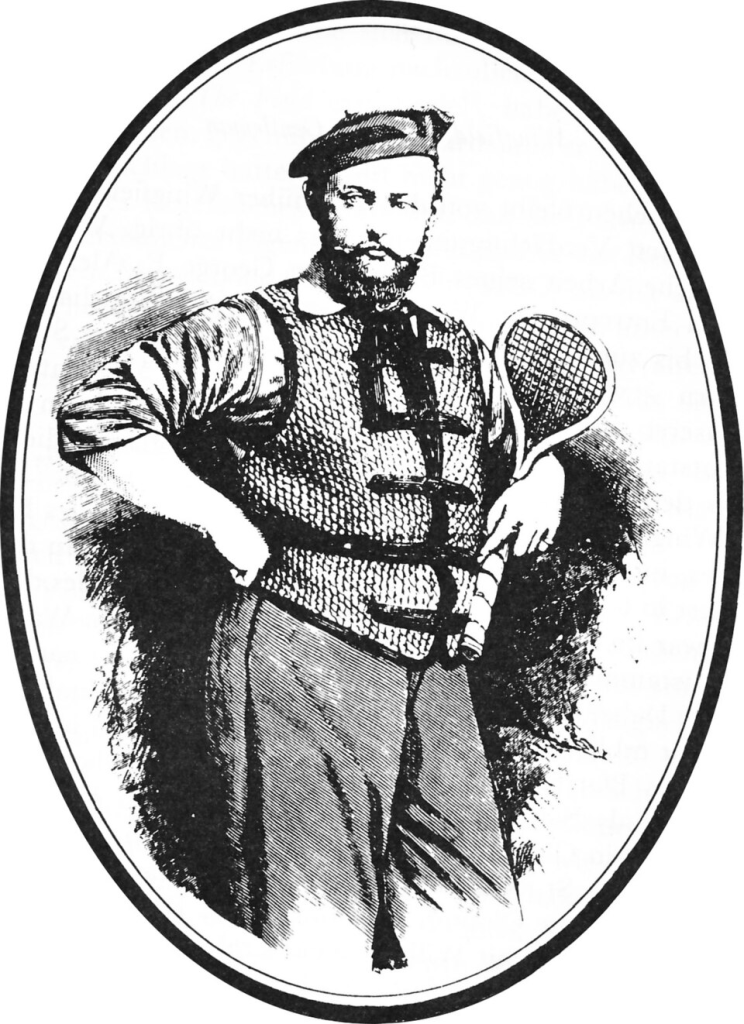
In the 1870s, a Welsh Officer in the British Army named Major Walter Clopton Wingfield, is believed to have imported rubber balls produced via vulcanisation from Germany. He combined these with wooden framed rackets in sets for people to play what became known as lawn tennis. However, though the rubber was strengthened, it did lack any covering, meaning that it did eventually start to wear away. This was addressed by English barrister and avid tennis player John Moyer Heathcote who in 1882 proposed that the rubber should be coated with flannel. This informed the subsequent stitching of flannel or canvas around the rubber core of the ball.
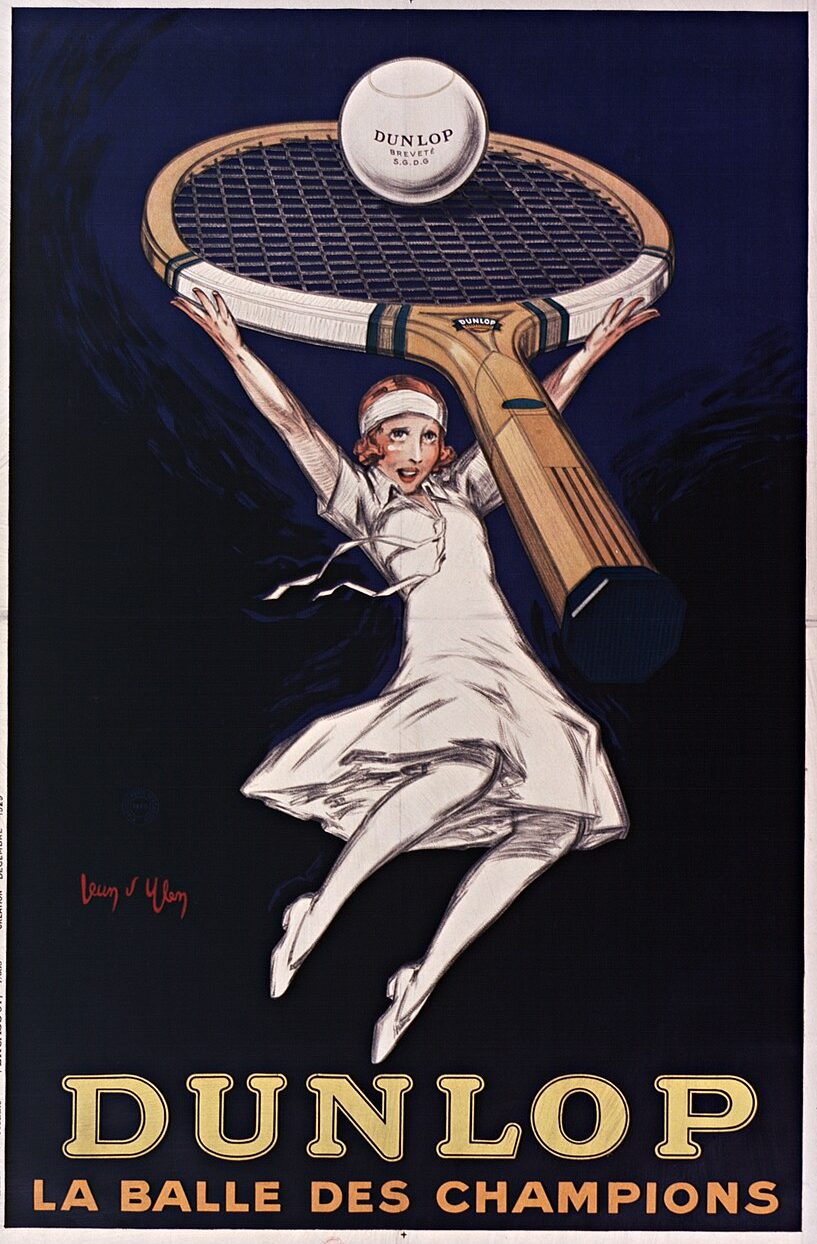
In the 1920s, production really took off when tyre manufacturer Dunlop began producing their rubber-based tennis balls in 1923 which had a rubber core with a stitched canvas or fabric coating. More detailed measurement of the durability of the balls was also introduced across the market such as via the measure of compression using a device called a Stevens Machine. However, progress was mostly halted during the Second World War as rubber was diverted to the production of military equipment.
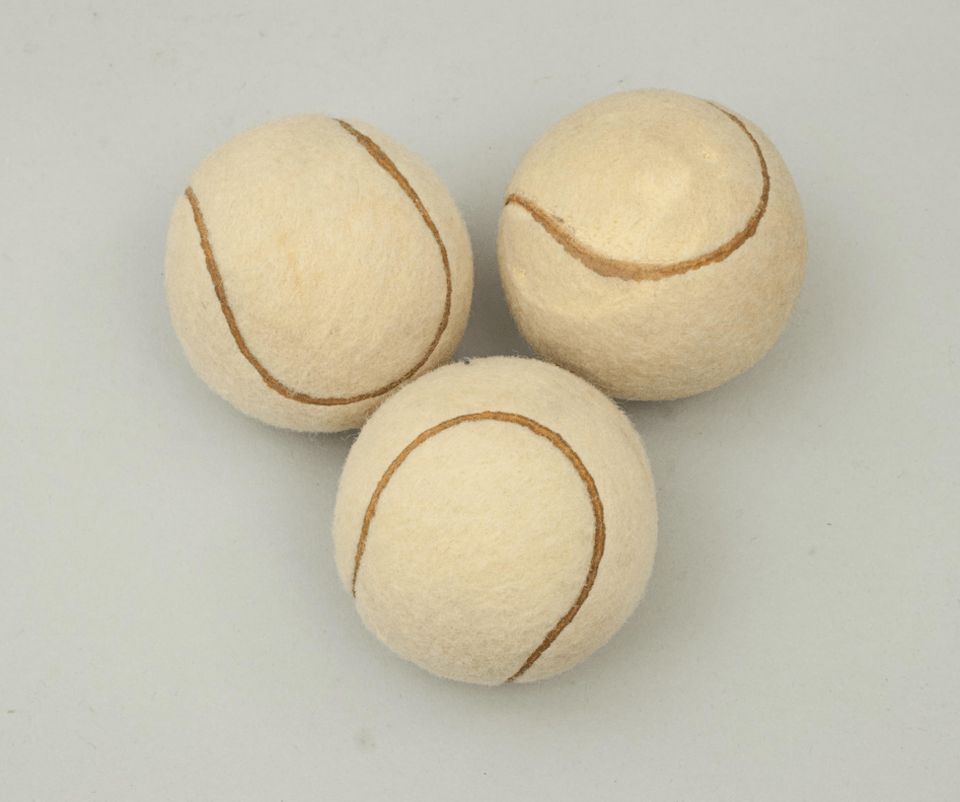
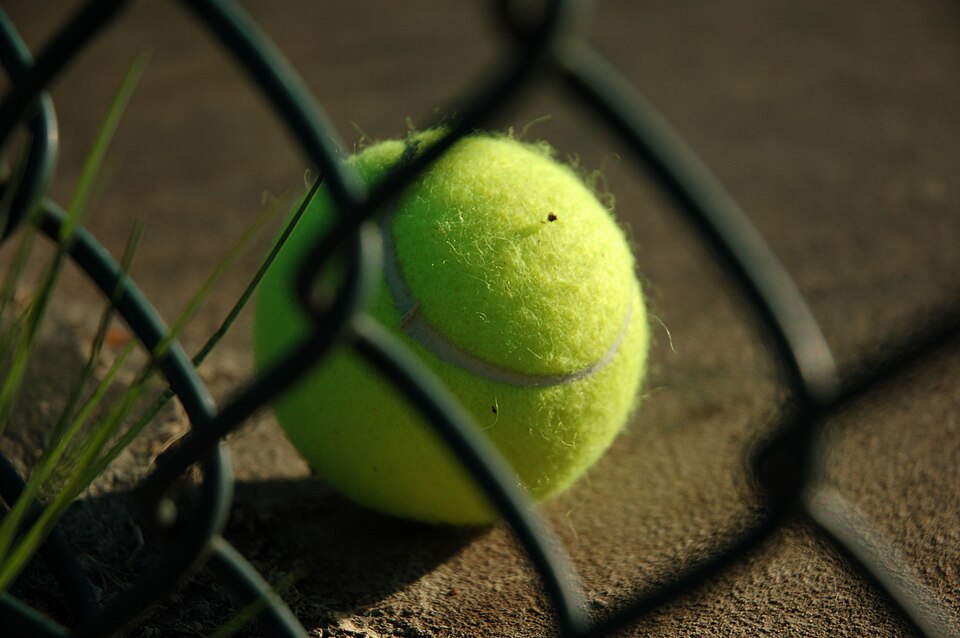
Manufacturing began in earnest once again in the 1950s with the pressurisation of the hollow centre of balls with gas to allow for more bounce and endurance to temperature and humidity changes. In the 1970s and 80s, synthetic materials such as polyester began to be used in the coating for further improvements in performance. In 1972, there was also a colour change as the International Tennis Federation stated that fluorescent yellow tennis balls should be used in competition rather than traditional white balls to make it easier for television viewers to see play. This was influenced by the broadcasting of the Wimbledon championship in colour for the first time in the UK in 1967, a milestone brought about by the controller of BBC Two at the time: Sir David Attenborough.
 Science and Joe